
Laparoscopic Surgery
Ventral and Groin Hernia
What is a Hernia?
A hernia occurs when an organ or fatty tissue protrudes through a weak spot or tear in the surrounding muscle or connective tissue. Hernias can develop in various areas of the body, but two common types are ventral hernias and groin hernias.
Ventral Hernia
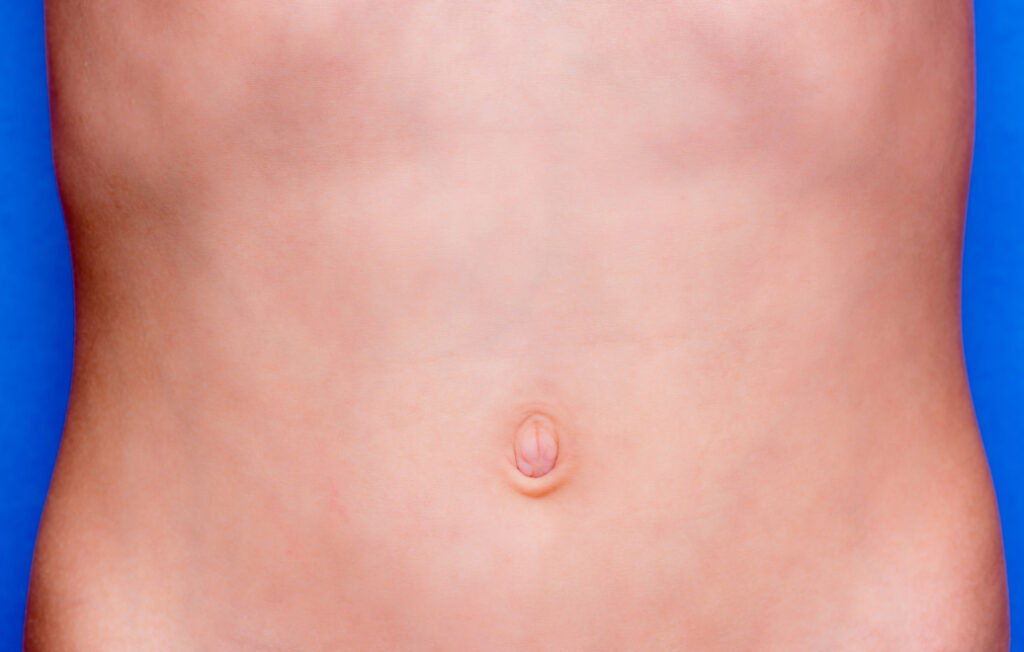
A ventral hernia occurs when tissue pushes through a weak spot in the muscles of the abdominal wall. This type of hernia can appear anywhere on the abdomen and is often associated with previous surgical incisions (incisional hernia).
Causes and Risk Factors
- Previous Surgery: Incisional hernias can develop at the site of a previous surgical incision.
- Obesity: Increased abdominal pressure from excess weight.
- Heavy Lifting: Can strain and weaken abdominal muscles.
- Pregnancy: Increased pressure in the abdomen.
- Chronic Coughing or Straining: Increased intra-abdominal pressure.
- Infection at a Surgical Site: Weakens the muscle tissue.
- Aging: Natural weakening of muscles over time.
Symptoms
- Visible Bulge: A noticeable lump under the skin of the abdomen, especially when standing or straining.
- Pain or Discomfort: Particularly when lifting, coughing, or straining.
- Swelling: Around the hernia site.
- Nausea and Vomiting: If the hernia becomes strangulated (blood supply is cut off).
- Fever: Possible sign of infection.
Diagnosis
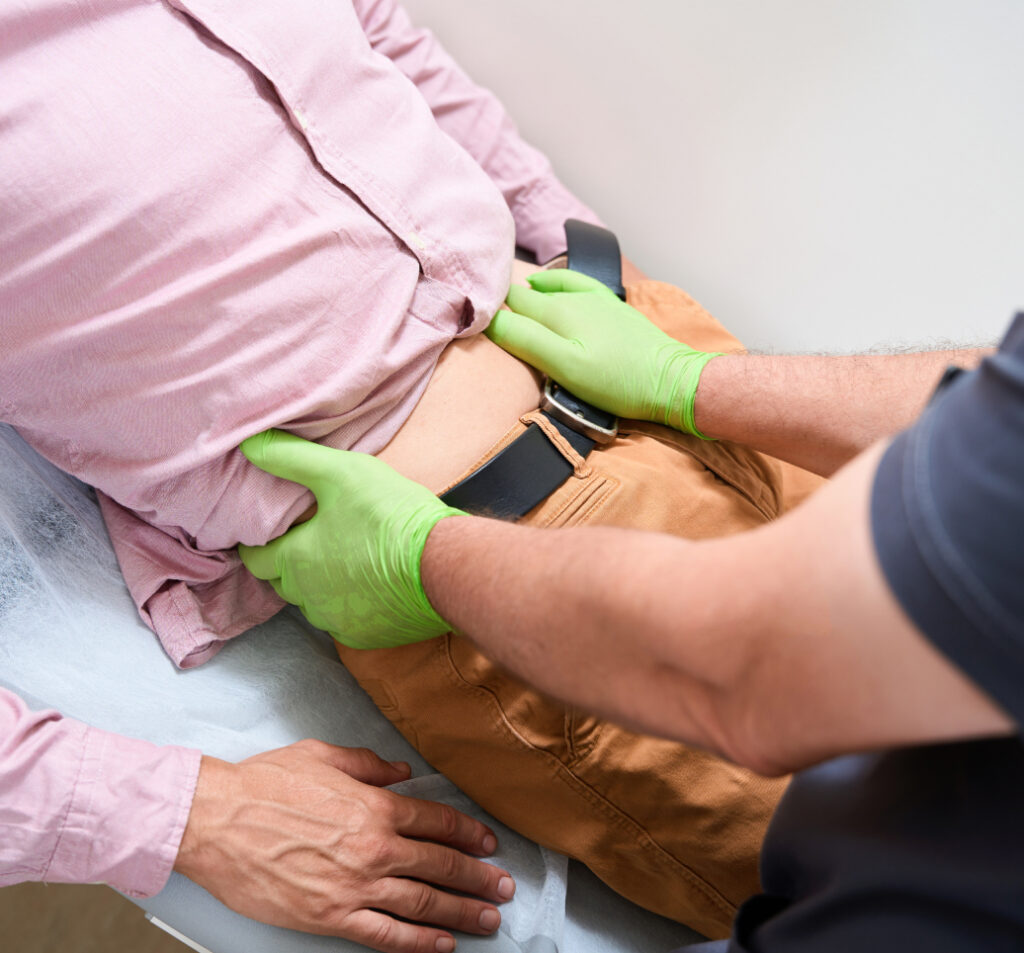
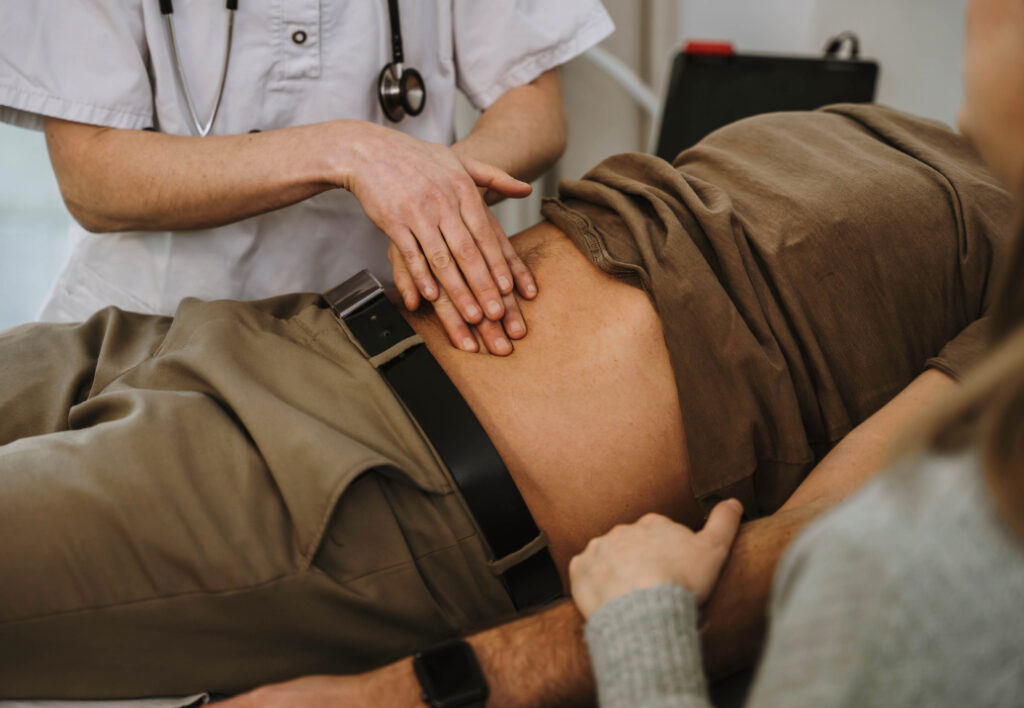
Physical Examination
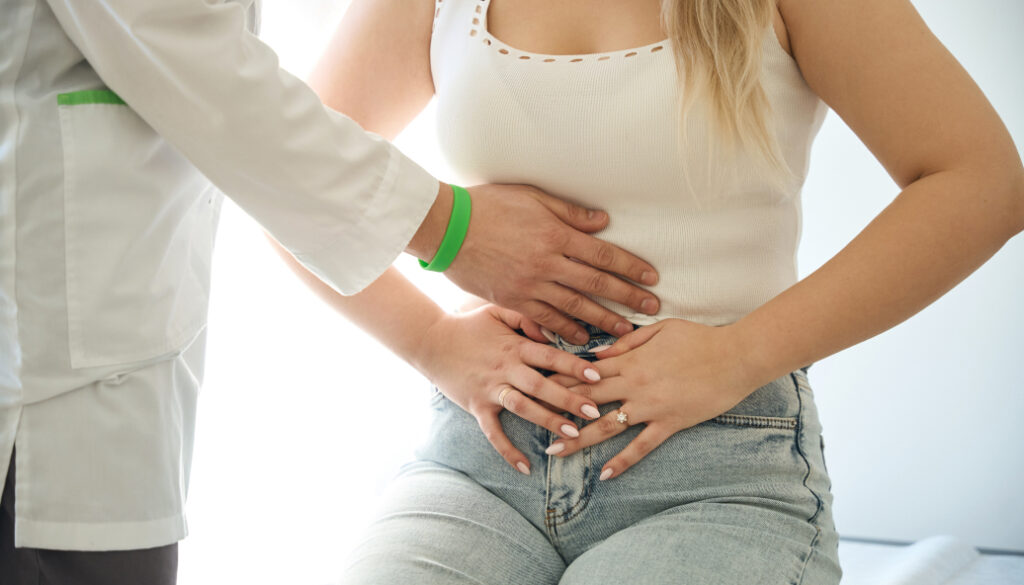
Doctor checks for a bulge in the abdomen.
Imaging Tests
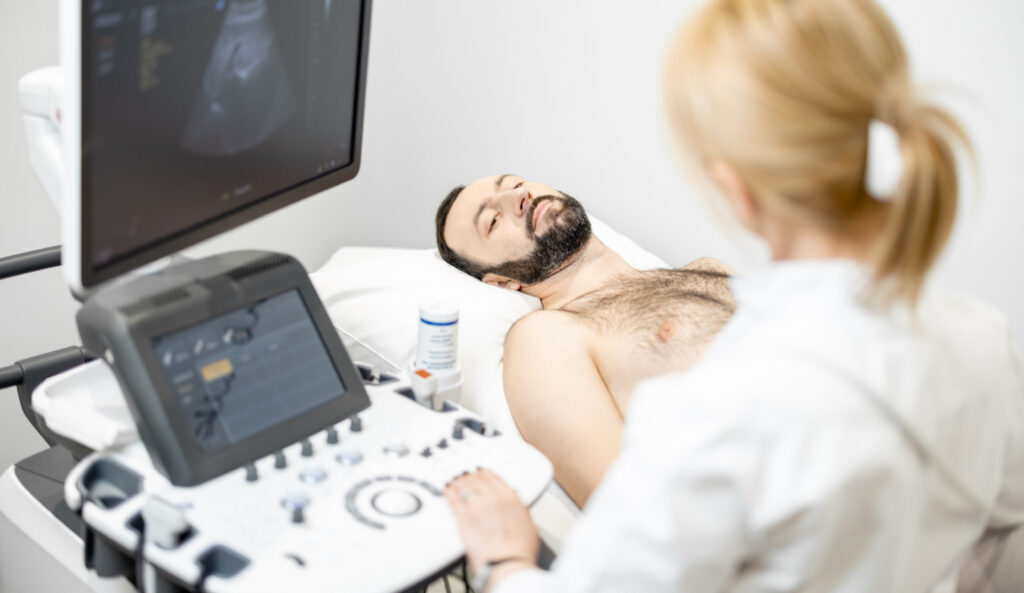
Ultrasound, CT scan, or MRI to confirm the diagnosis and assess the hernia.
Treatment Options
Watchful Waiting
For small, asymptomatic hernias, particularly in patients with high surgical risk.
Lifestyle Changes
Maintaining a healthy weight, avoiding heavy lifting, and managing chronic cough or constipation.
Surgical Repair
Recommended for symptomatic or enlarging hernias.
- Open Surgery: A single incision is made near the hernia site to repair the weakened area, often with synthetic mesh.
- Laparoscopic Surgery: Minimally invasive with small incisions and a camera to guide the repair.
- Robotic Surgery: Similar to laparoscopic surgery but uses robotic instruments for enhanced precision.
Recovery After Surgery
- Hospital Stay: Usually same-day discharge or a short hospital stay.
- Pain Management: Pain medications to manage post-operative pain.
- Diet: Normal diet can usually be resumed after surgery.
- Activity: Gradual return to normal activities; avoid heavy lifting for several weeks.
- Follow-up: Regular check-ups to monitor healing.
Risks and Complications
Infection, bleeding, recurrence of the hernia, chronic pain, bowel obstruction (rare).
When to Seek Medical Attention
Severe abdominal pain, signs of infection, persistent nausea or vomiting, difficulty passing stool or gas, painful swelling that does not go away.
Trusted for care
Dr Wang and his team are respected and trusted for the care provided to their patients
Groin Hernia
A groin hernia, also known as an inguinal hernia, occurs when tissue, such as part of the intestine, protrudes through a weak spot in the abdominal muscles in the groin area. This type of hernia is more common in men than in women.
Types of Groin Hernias
Inguinal Hernia
The most common type, occurring in the inguinal canal, a passage in the lower abdominal wall.
- Direct Inguinal Hernia: Occurs when abdominal contents push through a weak spot in the abdominal wall directly into the inguinal canal.
- Indirect Inguinal Hernia: Occurs when abdominal contents protrude through the inguinal canal, often due to a congenital weakness.
Femoral Hernia
Less common, occurs just below the inguinal ligament, more frequently seen in women.
Causes and Risk Factors
- Congenital Weakness: Present from birth, especially in indirect inguinal hernias.
- Aging: Muscles weaken over time.
- Chronic Coughing: Increases abdominal pressure.
- Heavy Lifting: Without proper technique.
- Obesity: Extra weight increases abdominal pressure.
- Pregnancy: Increased pressure in the abdomen.
- Straining: During bowel movements or urination.
Symptoms
- Visible Bulge: A lump in the groin area that may become more pronounced when standing or straining.
- Pain or Discomfort: Especially when bending over, coughing, or lifting.
- Burning or Aching: Sensation at the site of the bulge.
- Heavy or Dragging Sensation: In the groin area.
- Swelling and Pain: Around the testicles if the protruding intestine descends into the scrotum.
Diagnosis
Physical Examination
Doctor checks for a bulge in the abdomen.
Imaging Tests
Ultrasound or CT scan to confirm the diagnosis.
Treatment Options
Watchful Waiting
For small, asymptomatic hernias, especially in older adults or those with high surgical risk
Lifestyle Changes
Avoid heavy lifting, manage chronic cough, maintain a healthy weight.
Surgical Repair
Recommended for symptomatic or enlarging hernias.
- Open Surgery: An incision is made in the groin to repair the hernia, often with synthetic mesh.
- Laparoscopic Surgery: Minimally invasive with small incisions and a camera to guide the repair.
Recovery After Surgery
- Hospital Stay: Usually same-day discharge.
- Pain Management: Pain medications will be provided to manage post-operative pain.
- Diet: Normal diet can usually be resumed after surgery unless otherwise instructed.
- Activity: Gradual return to normal activities. Avoid heavy lifting and strenuous activities for several weeks.
- Follow-up: Regular follow-up appointments to monitor healing and address any concerns.
Risks and Complications
- Infection: Signs include fever, redness, and swelling at the incision site.
- Bleeding: Unusual bleeding should be reported to the doctor.
- Recurrence: The hernia may recur, especially if the abdominal wall remains weak.
- Chronic Pain: Persistent pain at the surgery site.
- Damage to Surrounding Structures: Such as blood vessels, nerves, or the bladder.
When to Seek Medical Attention
- Severe groin pain.
- Signs of infection such as fever, redness, or discharge at the incision site.
- Persistent nausea or vomiting.
- Difficulty passing stool or gas.
- Swelling or a bulge that becomes painful and does not go away when lying down.
Long-term Management
- Healthy Lifestyle: Maintaining a healthy weight and avoiding activities that strain the abdominal muscles.
- Proper Lifting Techniques: Using proper techniques to avoid straining the abdominal muscles.
- Regular Check-ups: Monitoring the hernia site and overall health.
Other Laparoscopic Surgeries
Gallstone disease, or cholelithiasis, occurs when hard deposits form in the gallbladder….
Occurs when part of the stomach pushes up through the diaphragm into the chest cavity…
Occurs when part of the intestine or fatty tissue pushes through an opening in the abdominal…