
Laparoscopic Surgery
Hiatus Hernias
What is a Hiatus Hernia?
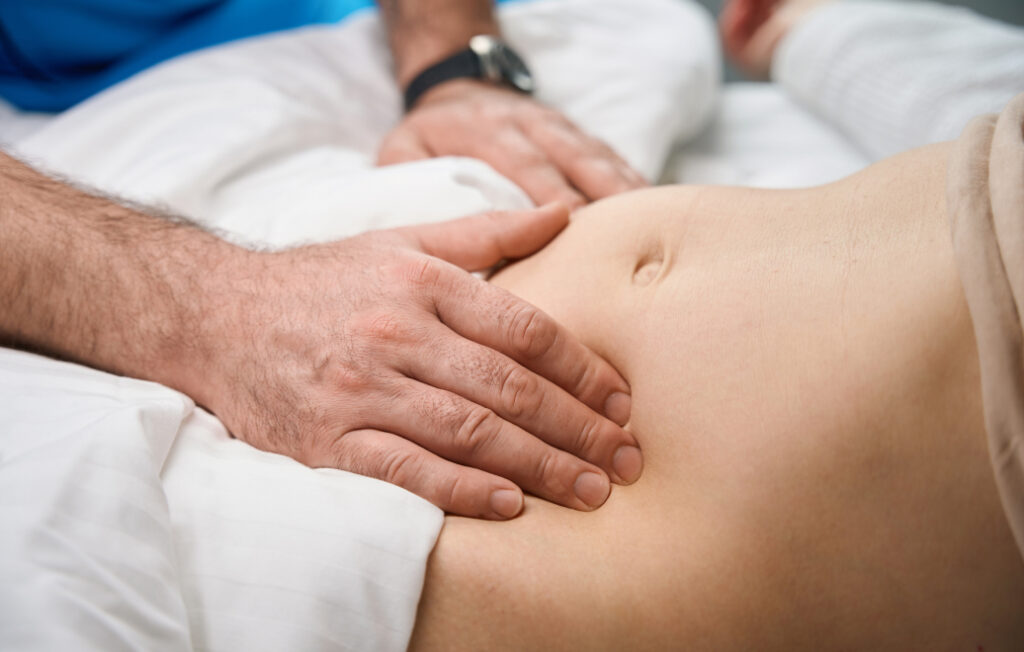
A hiatus hernia occurs when part of the stomach pushes up through the diaphragm into the chest cavity. The diaphragm is a large muscle that helps with breathing and separates the abdomen from the chest. Here’s detailed information for patients about hiatus hernia:
Types of Hiatus Hernia
Sliding Hiatus Hernia
The most common type, where the stomach and the section of the oesophagus that joins the stomach slide up into the chest through the hiatus.
Paraesophageal Hiatus Hernia
Less common but more serious, where part of the stomach pushes through the diaphragm next to the oesophagus.
Causes and Risk Factors
- Age: More common in individuals over 50.
- Obesity: Extra weight increases pressure on the abdomen.
- Smoking: Weakens the diaphragm and oesophageal muscles.
- Heavy Lifting or Straining: Increases pressure on the abdomen.
- Chronic Coughing or Vomiting: Can weaken the diaphragm.
- Genetics: Family history of hernias.
Symptoms
- Heartburn: A burning sensation in the chest due to acid reflux.
- Regurgitation: The sensation of food or liquid coming back up into the throat.
- Chest Pain: Sometimes mistaken for heart-related pain.
- Difficulty Swallowing: A feeling that food is stuck in the chest or throat.
- Belching: Frequent burping.
- Shortness of Breath: In severe cases, due to the stomach pressing on the diaphragm.
Diagnosis
Barium X-ray
Patients drink a barium solution that coats the digestive tract, making it visible on X-rays.
Endoscopy
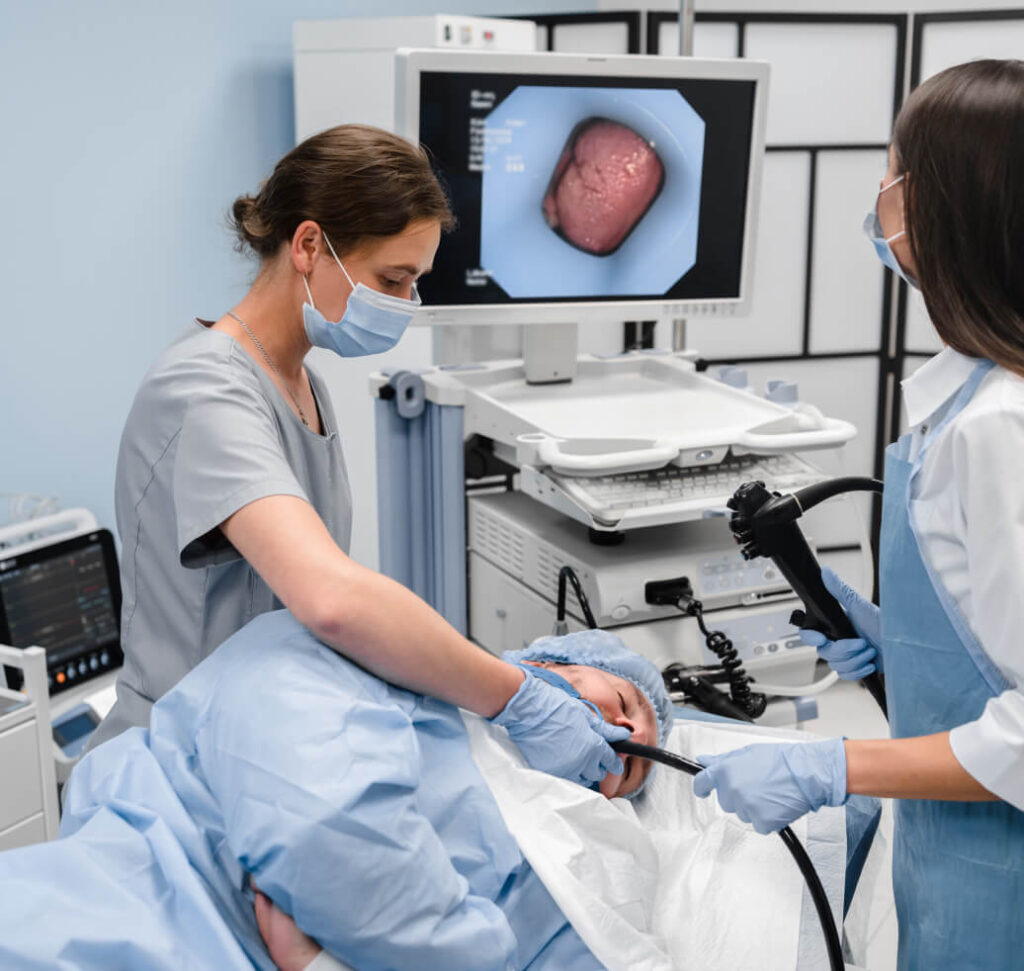
A thin, flexible tube with a camera (endoscope) is passed down the throat to examine the oesophagus and stomach.
Oesophageal Manometry
Measures the rhythmic muscle contractions of the oesophagus when swallowing and the coordination and force exerted by the oesophageal muscles.
Treatment Options
Lifestyle Changes
For small, asymptomatic hernias, particularly in patients with high surgical risk.
- Eat smaller, more frequent meals.
- Avoid lying down immediately after eating.
- Elevate the head of the bed by 6-8 inches.
- Avoid foods and drinks that trigger reflux (e.g., spicy foods, alcohol, caffeine).
- Maintain a healthy weight.
- Quit smoking.
Medications
- Antacids to neutralize stomach acid.
- H2-receptor blockers to reduce acid production.
- Proton pump inhibitors (PPIs) to heal the oesophagus and reduce acid production.
Surgery
- Fundoplication: The stomach is wrapped around the lower oesophagus to strengthen the valve between the oesophagus and stomach and prevent acid reflux.
- Other procedures to repair the hernia or reinforce the diaphragm.
When to Seek Medical Attention
- Severe chest pain that might be mistaken for a heart attack.
- Difficulty swallowing that persists or worsens.
- Shortness of breath.
- Severe abdominal pain or persistent vomiting.
- Unexplained weight loss.

Trusted for care
Dr Wang and his team are respected and trusted for the care provided to their patients
Hiatus Hernia Repair
A hiatus hernia repair is a surgical procedure aimed at correcting a hiatus hernia, where part of the stomach pushes through the diaphragm into the chest cavity. This guide provides essential information for patients considering or preparing for the surgery.
Types of Hiatus Hernia Repair
Nissen/Toupet/Anterior Fundoplication
The upper part of the stomach (fundus) is wrapped around the lower oesophagus to strengthen the valve between the oesophagus and stomach, preventing acid reflux.
- Laparoscopic Surgery: A minimally invasive approach using small incisions and a camera to guide the surgery.
- Open Surgery: A traditional approach with a larger incision, used in more complicated cases.
Indications for Surgery
- Severe symptoms that do not respond to medical treatment.
- Complications such as bleeding, ulcers, or oesophageal stricture.
- Persistent and severe gastroesophageal reflux disease (GERD).
- Paraesophageal hernia with a risk of strangulation (cutting off blood supply).

Preparation for Surgery
- Medical Evaluation: Thorough assessment including medical history, physical examination, and diagnostic tests like endoscopy or barium swallow.
- Medications: Discuss with your doctor about any medications you are taking. Some medications may need to be stopped before surgery.
- Fasting: Typically, patients are required to fast for at least 8 hours before the procedure.
- Smoking and Alcohol: Avoid smoking and alcohol as they can interfere with healing and anaesthesia.
The Surgical Procedure
Anaesthesia
General anaesthesia is administered, meaning you will be asleep and pain-free during the procedure.
Incisions
- Laparoscopic Surgery: Small incisions are made in the abdomen to insert surgical instruments and a laparoscope.
- Open Surgery: A single larger incision is made to access the hernia.
Repair
The herniated stomach is pulled back into the abdomen, and the opening in the diaphragm (hiatus) is tightened. In Nissen fundoplication, the stomach is wrapped around the lower oesophagus.
Closing Incisions
Incisions are closed with sutures or staples.
Recovery After Surgery
- Hospital Stay: Typically, 3-4 days for laparoscopic surgery and longer for open surgery.
- Pain Management: Pain medications will be provided to manage post-operative pain.
- Diet: Initially, a liquid diet progressing to soft foods, and eventually returning to a normal diet as tolerated.
- Activity: Gradual return to normal activities. Avoid heavy lifting and strenuous exercise for several weeks.
- Follow-up: Regular follow-up appointments to monitor healing and address any concerns.

Risks and Complications
- Infection: Signs include fever, redness, and swelling at the incision site.
- Bleeding: Unusual bleeding should be reported to the doctor.
- Difficulty Swallowing: Temporary, but persistent issues should be evaluated.
- Gas Bloat Syndrome: Inability to burp or pass gas easily.
- Anaesthesia Risks: Allergic reactions or complications from anaesthesia.
Long-term Management
- Diet and Lifestyle: Continue following a healthy diet and lifestyle to maintain weight and reduce symptoms.
- Medications: Follow the prescribed medication regimen if any.
- Monitoring: Regular check-ups to monitor the condition and ensure there are no recurrences.

Other Laparoscopic Surgeries
Gallstone disease, or cholelithiasis, occurs when hard deposits form in the gallbladder….
Occurs when part of the intestine or fatty tissue pushes through an opening in the abdominal…
Occurs when an organ or fatty tissue protrudes through a weak spot or tear in the surrounding…