
Upper GI
GORD/Reflux
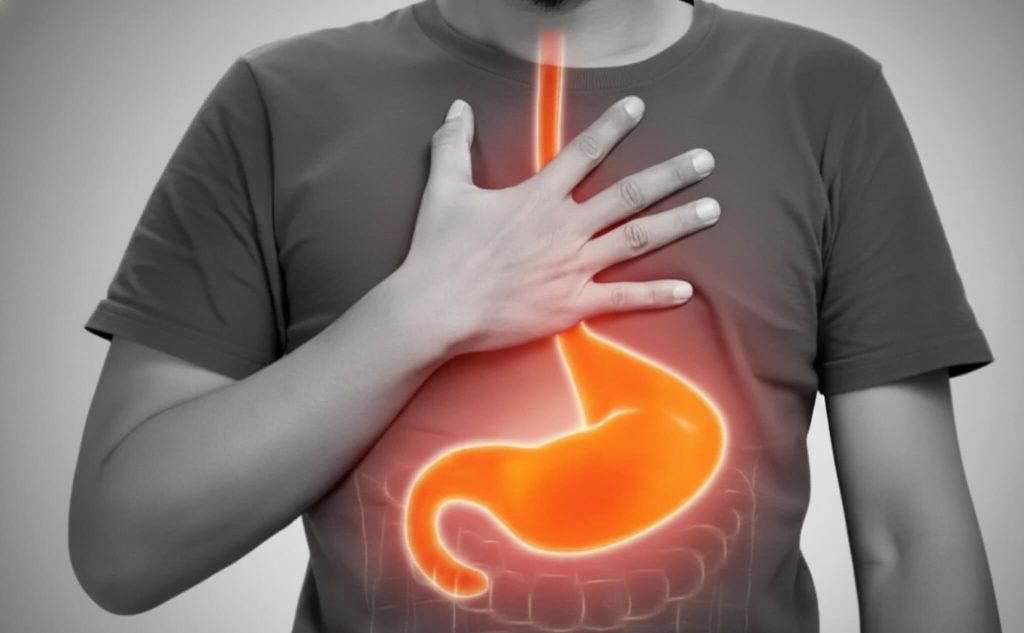
Gastro-oesophageal reflux disease (GORD) is a chronic condition where stomach acid or bile flows back into the oesophagus, causing irritation and symptoms such as heartburn.
This reflux can lead to inflammation and damage to the oesophageal lining.
CAUSES AND Risk Factors
Weak Lower Oesophageal Sphincter (LES)
The muscle at the junction of the oesophagus and stomach fails to close properly, allowing acid to escape.
Hiatus Hernia
A condition where the stomach bulges up into the chest through an opening in the diaphragm.
Obesity
Excess weight increases abdominal pressure.
Pregnancy
Hormonal changes and increased abdominal pressure.
Smoking
Weakens the LES and decreases saliva production.
Certain Medications
Such as aspirin, ibuprofen, certain muscle relaxers, and blood pressure medications.
Diet and Lifestyle
Eating large meals, lying down after eating, consuming trigger foods and drinks (e.g., spicy foods, chocolate, caffeine, alcohol).
SYMPTOMS
Heartburn
A burning sensation in the chest, often after eating, which might be worse at night.
Regurgitation
Acid or food coming back up into the throat or mouth.
Chest Pain
Sometimes mistaken for heart-related pain.
Difficulty Swallowing (Dysphagia)
A feeling that food is stuck in the throat or chest.
Chronic Cough
Especially at night.
Hoarseness or Sore Throat
Persistent irritation in the throat.
Sensation of a Lump in the Throat
Also known as globus sensation.
Diagnosis
Medical History and Physical Examination
Discussing symptoms and lifestyle factors.
Endoscopy
A thin, flexible tube with a camera (endoscope) is used to examine the oesophagus and stomach.
24-hour pH Monitoring
Measures acid levels in the oesophagus.
Oesophageal Manometry
Measures the rhythmic muscle contractions of the oesophagus when swallowing.
Barium Swallow
X-rays are taken after drinking a barium solution to highlight the oesophagus and stomach.
Trusted for care
Dr Wang and his team are respected and trusted for the care provided to their patients
TREATMENT OPTIONS
Lifestyle and Home Remedies
Dietary Changes
- Avoid trigger foods and drinks (e.g., spicy foods, citrus, tomato-based foods, chocolate, caffeine, alcohol).
- Eat smaller, more frequent meals.
- Avoid lying down for at least 2-3 hours after eating.
Weight Management
Losing weight if overweight or obese.
Quit Smoking
Smoking weakens the LES.
Elevate Head of Bed
Raising the head of the bed by 6-8 inches to prevent nighttime reflux.
Avoid Tight Clothing
Tight clothes can increase abdominal pressure.
Medications
- Antacids: Neutralize stomach acid and provide quick relief (e.g., Tums, Rolaids).
- H2-Receptor Blockers: Reduce acid production (e.g., ranitidine, famotidine).
- Proton Pump Inhibitors (PPIs): Block acid production and heal the oesophagus (e.g., omeprazole, esomeprazole).
- Prokinetics: Help strengthen the LES and make the stomach empty faster (e.g., metoclopramide).
Surgery
- Fundoplication: The top of the stomach is wrapped around the lower oesophagus to tighten the LES and prevent reflux.
Complications
- Oesophagitis: Inflammation of the oesophagus.
- Oesophageal Stricture: Narrowing of the oesophagus due to scar tissue.
- Barrett’s Oesophagus: Pre-cancerous changes to the oesophageal lining.
- Oesophageal Cancer: Increased risk due to chronic inflammation and Barrett’s oesophagus.
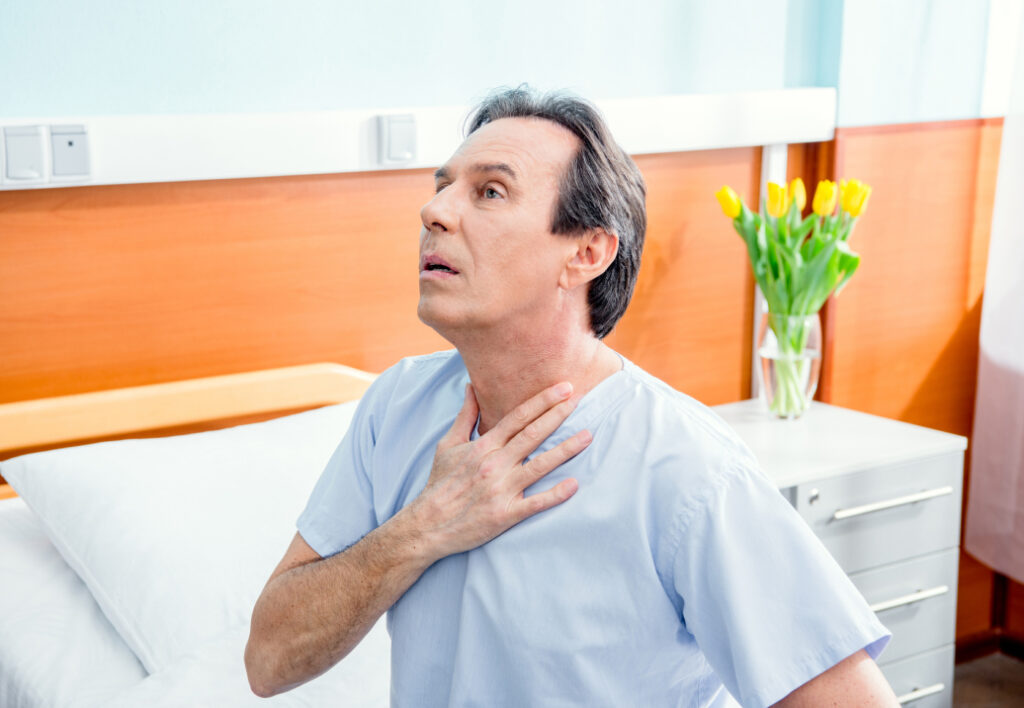
- Respiratory Problems: Such as chronic cough, laryngitis, asthma, or aspiration pneumonia.
When to Seek Medical Attention
- Severe or persistent chest pain.
- Difficulty swallowing.
- Unintentional weight loss.
- Vomiting blood or black, tarry stools.
- Symptoms that do not improve with over-the-counter medications.


Long-term Management
- Regular Monitoring: Regular follow-ups with a healthcare provider to monitor symptoms and adjust treatment.
- Adherence to Treatment Plan: Consistently following lifestyle changes and medication regimens.
- Awareness of Symptoms: Recognizing and addressing new or worsening symptoms promptly.
Other Upper GI Conditions
Pancreatic cancer begins in the tissues of the pancreas, an organ located behind the stomach…

Also known as stomach cancer, is a disease in which malignant (cancer) cells form in the lining…
Also known as stomach cancer, is a disease in which malignant (cancer) cells form in the lining…
Also known as stomach cancer, is a disease in which malignant (cancer) cells form in the lining…