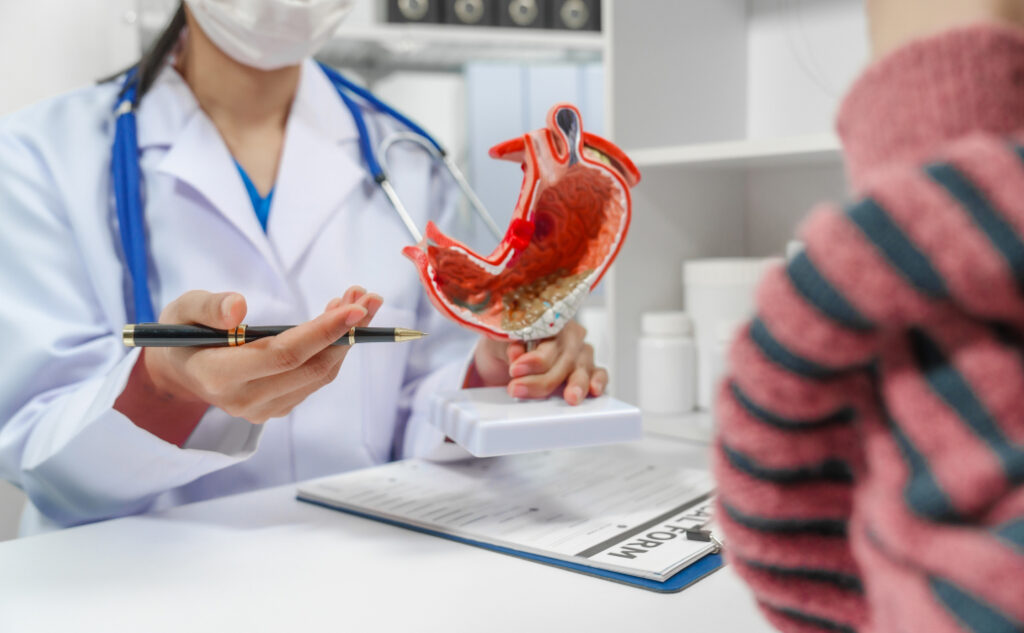
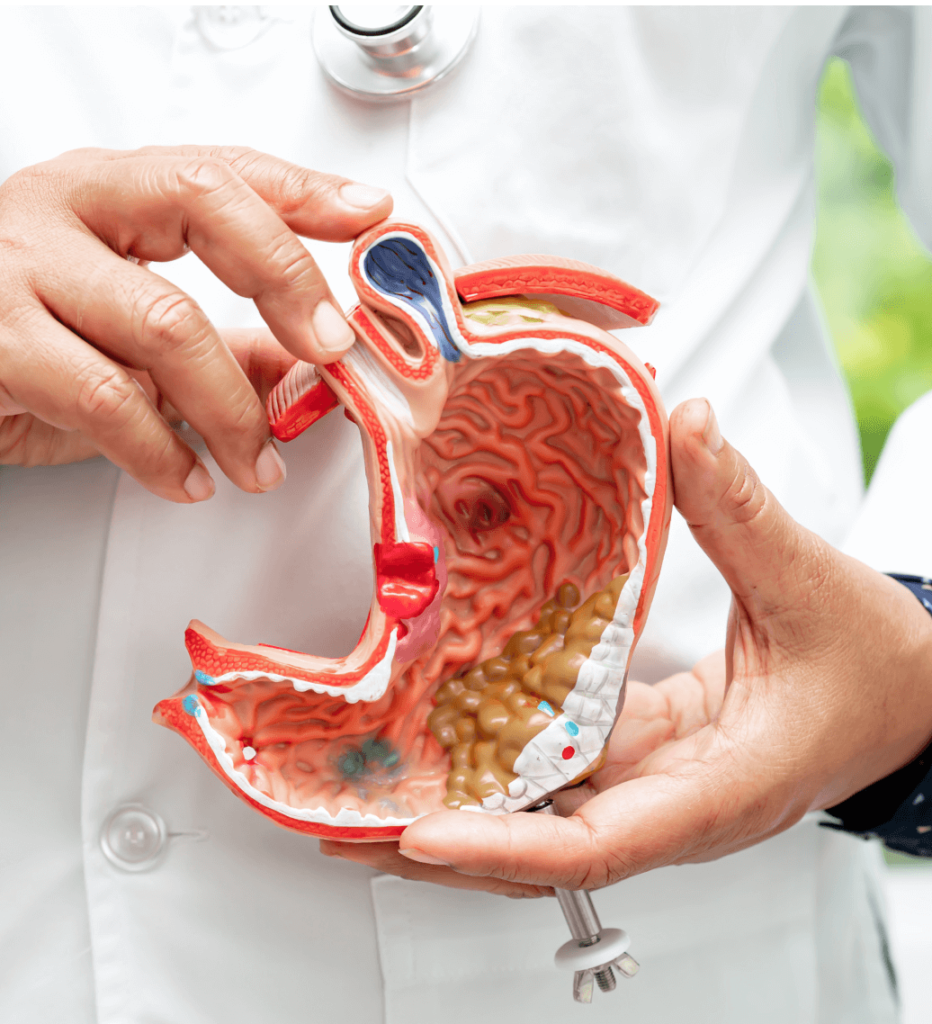




Gastric cancer, also known as stomach cancer, is a disease in which malignant (cancer) cells form in the lining of the stomach. It can develop in any part of the stomach and may spread to other organs.
The most common type, originating in the glandular cells of the stomach lining.
Cancer of the immune system tissue found in the stomach.
A rare type of cancer that forms in the interstitial cells of Cajal in the stomach wall.
A slow-growing tumour that originates in hormone-producing cells of the stomach.
Chronic infection with this bacterium is a significant risk factor.
High intake of salted, smoked, and pickled foods.
Increases the risk of gastric cancer.
Genetics play a role; having a family history of gastric cancer increases risk.
More common in older adults and men.
Chronic gastritis, pernicious anaemia, and stomach polyps.
Such as surgery for ulcers.
Often asymptomatic or nonspecific symptoms such as indigestion, heartburn, or mild stomach discomfort.
Dr Wang and his team are respected and trusted for the care provided to their patients
Assessing symptoms and risk factors.
A thin tube with a camera (endoscope) is passed down the throat to examine the stomach lining and take biopsy samples.
Removal of the part of the stomach affected by cancer.
Removal of the entire stomach, with the oesophagus connected directly to the small intestine.
Removal of nearby lymph nodes to check for cancer spread.
High-energy beams target and kill cancer cells, often used before or after surgery.
Given before surgery to shrink the tumour.
Given after surgery to kill any remaining cancer cells.
Using multiple drugs to increase effectiveness.
Treated with trastuzumab (Herceptin) that targets the HER2 protein.
Ramucirumab (Cyramza) for advanced gastric cancer.
Such as pembrolizumab (Keytruda) for tumours with specific genetic features (microsatellite instability-high or mismatch repair deficiency).
Focuses on relieving symptoms and improving quality of life for patients with advanced gastric cancer.
Medical procedure used to examine the upper part of the GI Tract, colon and rectum for abnormalities….
Pancreatic cancer begins in the tissues of the pancreas, an organ located behind the stomach…
Also known as stomach cancer, is a disease in which malignant (cancer) cells form in the lining…
Also known as stomach cancer, is a disease in which malignant (cancer) cells form in the lining…