
Laparoscopic Surgery
Gallbladder surgery
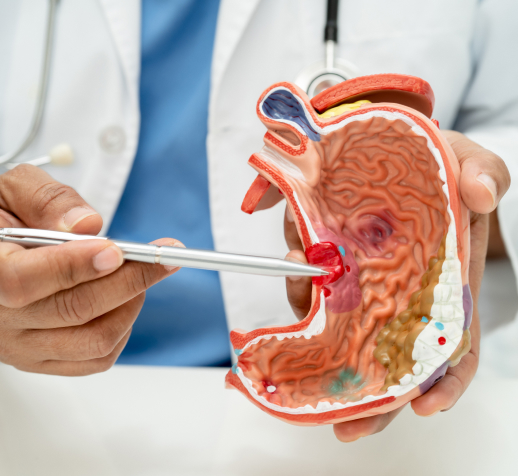
Gallstone disease, or cholelithiasis, occurs when hard deposits form in the gallbladder, a small organ beneath the liver that stores bile. Bile aids in digestion by breaking down fats. Gallstones can range in size from a grain of sand to a golf ball and can cause various symptoms and complications.
Types of Gallstones
Cholesterol Gallstones
The most common type, made primarily of hardened cholesterol.
Pigment Gallstones
Made of bilirubin, a substance produced from the breakdown of red blood cells.
Causes and Risk Factors
- Gender: More common in women.
- Age: Risk increases with age.
- Obesity: Excess body weight increases cholesterol in bile.
- Diet: High-fat, high-cholesterol, and low-fibre diets.
- Rapid Weight Loss: Can cause the liver to secrete extra cholesterol into bile.
- Pregnancy: Hormonal changes increase the risk.
- Family History: Genetic predisposition.
- Certain Medical Conditions: Diabetes, liver cirrhosis, haemolytic anaemia.
- Medications: Certain drugs like hormone replacement therapy and cholesterol-lowering medications.
Symptoms
- Asymptomatic (Silent) Gallstones: Most people do not have symptoms.
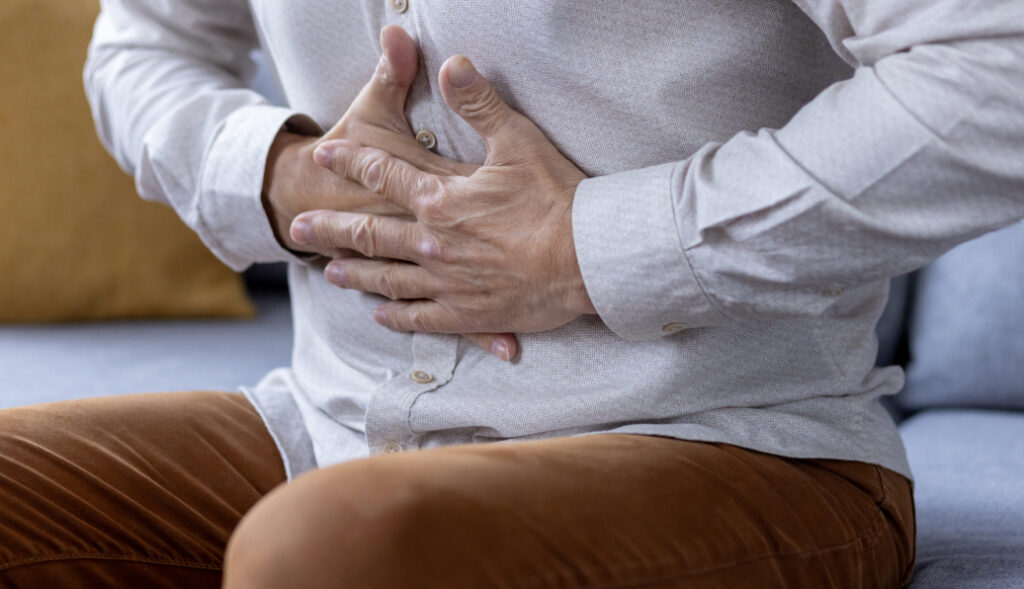
- Biliary Colic: Sudden and intense pain in the upper right abdomen or centre of the abdomen, possibly radiating to the back or right shoulder, often after eating fatty meals.
- Nausea and Vomiting: Accompanying the pain.
- Jaundice: Yellowing of the skin and eyes if the bile duct is blocked.
- Dark Urine and Pale Stools: Signs of bile duct obstruction.
- Fever and Chills: Indicating possible infection (cholecystitis).
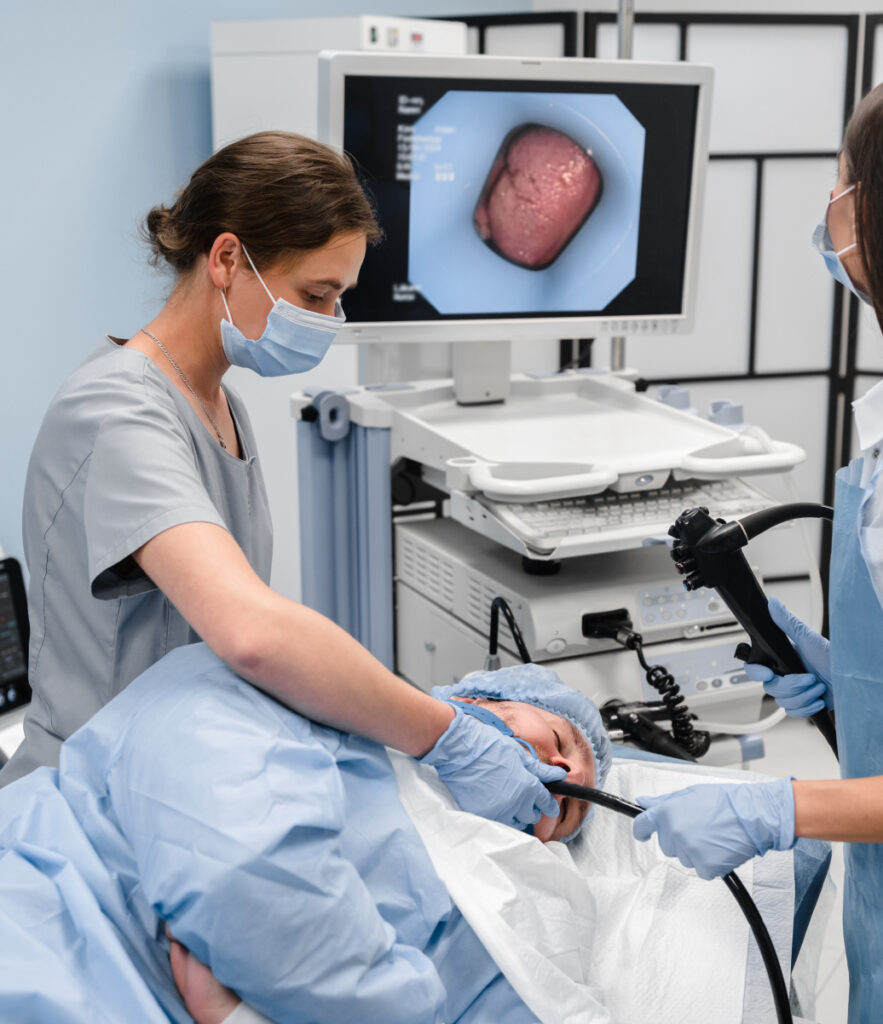
Diagnosis
Ultrasound
CT Scan
HIDA Scan
Endoscopic Retrograde Cholangiopancreatography (ERCP)
Blood Tests
Treatment Options
Non-Surgical Treatments
- Observation: If gallstones are asymptomatic.
- Medications: Bile acid pills (ursodeoxycholic acid) to dissolve cholesterol gallstones, typically used for patients who cannot undergo surgery.
Surgical Treatments
Cholecystectomy: Surgical removal of the gallbladder.
- Laparoscopic Cholecystectomy: Minimally invasive surgery using small incisions and a camera. Most common and preferred method.
- Open Cholecystectomy: Traditional surgery with a larger incision, used in complicated cases.
Other Procedures
- ERCP: Can be used to remove stones from the bile ducts.
When to Seek Medical Attention
- Severe abdominal pain that does not improve with pain medication.
- Signs of infection such as fever, redness, or discharge at the incision site.
- Persistent nausea or vomiting.
- Jaundice or dark urine.
- Symptoms of bile duct obstruction or infection.
Long-term Management
- Healthy Diet: A balanced diet with reduced fat intake can help prevent new stones from forming.
- Regular Check-ups: Monitoring for any signs of complications.
- Weight Management: Maintaining a healthy weight through diet and exercise.
Trusted for care
Dr Wang and his team are respected and trusted for the care provided to their patients
Laparoscopic Cholecystectomy
Indications for Laparoscopic Cholecystectomy
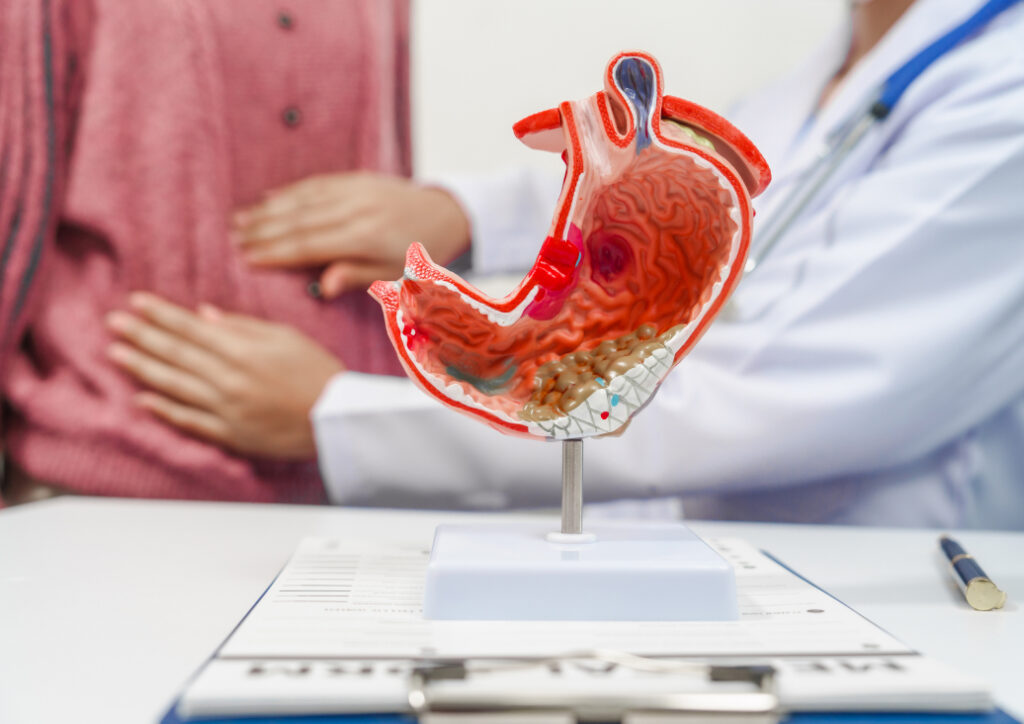
- Gallstones: Symptomatic gallstones causing pain, infection, or blockage.
- Cholecystitis: Inflammation of the gallbladder.
- Biliary Dyskinesia: Poor functioning of the gallbladder.
- Gallbladder Polyps: Growths in the gallbladder that may become cancerous.
- Pancreatitis: Inflammation of the pancreas caused by gallstones.
Preparation for Surgery
- Medical Evaluation: Comprehensive assessment including medical history, physical examination, and diagnostic tests such as blood tests and imaging studies (ultrasound, CT scan).
- Medications: Inform your doctor about all medications you are taking. Some may need to be stopped before surgery.
- Fasting: Typically, patients are required to fast for at least 6 hours before the procedure.
- Arrangements: Since you will need someone to drive you home, arrange for transportation and help at home during the initial recovery period.
The Surgical Procedure
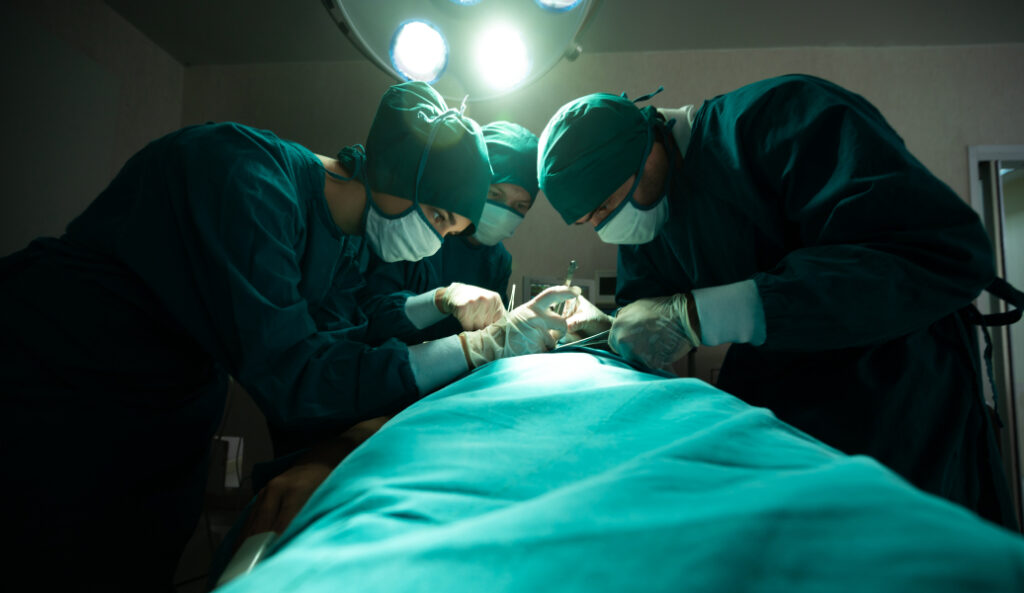
- Anaesthesia: General anaesthesia is administered, meaning you will be asleep and pain-free during the procedure.
- Incisions: Four small incisions (each about 0.5-1 cm) are made in the abdomen.
- Insertion of Instruments: A laparoscope (camera) and surgical instruments are inserted through the incisions.
- Inflation: The abdomen is inflated with carbon dioxide gas to create space for the surgeon to operate.
- Removal of Gallbladder: The gallbladder is detached from the liver and bile ducts and removed through one of the incisions.
- Closing Incisions: The incisions are closed with sutures or surgical glue.
Recovery After Surgery
- Hospital Stay: Most patients go home the same day or the day after surgery.
- Pain Management: Pain medications will be provided to manage post-operative pain.
- Diet: Start with clear liquids and gradually return to a normal diet as tolerated. It may be advisable to avoid fatty foods initially.
- Activity: Gradual return to normal activities. Avoid heavy lifting and strenuous activities for a few weeks.
- Incision Care: Keep the incision sites clean and dry. Follow your doctor’s instructions regarding wound care and bathing.
- Follow-up: Schedule a follow-up appointment to monitor your recovery and address any concerns.
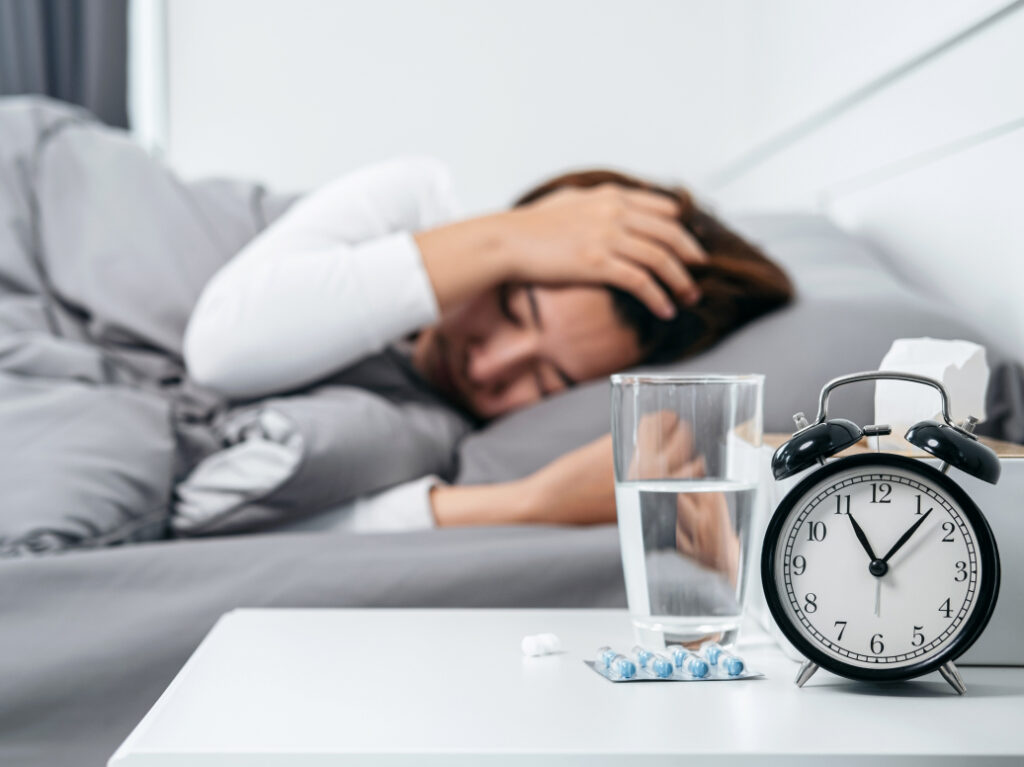
Risks and Complications
- Infection: Signs include fever, redness, and swelling at the incision site.
- Bleeding: Unusual bleeding should be reported to the doctor.
- Bile Leak: Bile may leak into the abdomen if the bile duct is injured.
- Injury to Surrounding Structures: Rarely, the bile ducts, liver, or intestines may be injured during surgery.
- Blood Clots: Risk of deep vein thrombosis (DVT) or pulmonary embolism (PE).
Other Laparoscopic Surgeries
Occurs when part of the stomach pushes up through the diaphragm into the chest cavity…
Occurs when part of the intestine or fatty tissue pushes through an opening in the abdominal…
Occurs when an organ or fatty tissue protrudes through a weak spot or tear in the surrounding…