
Endoscopies
Gastroscopy
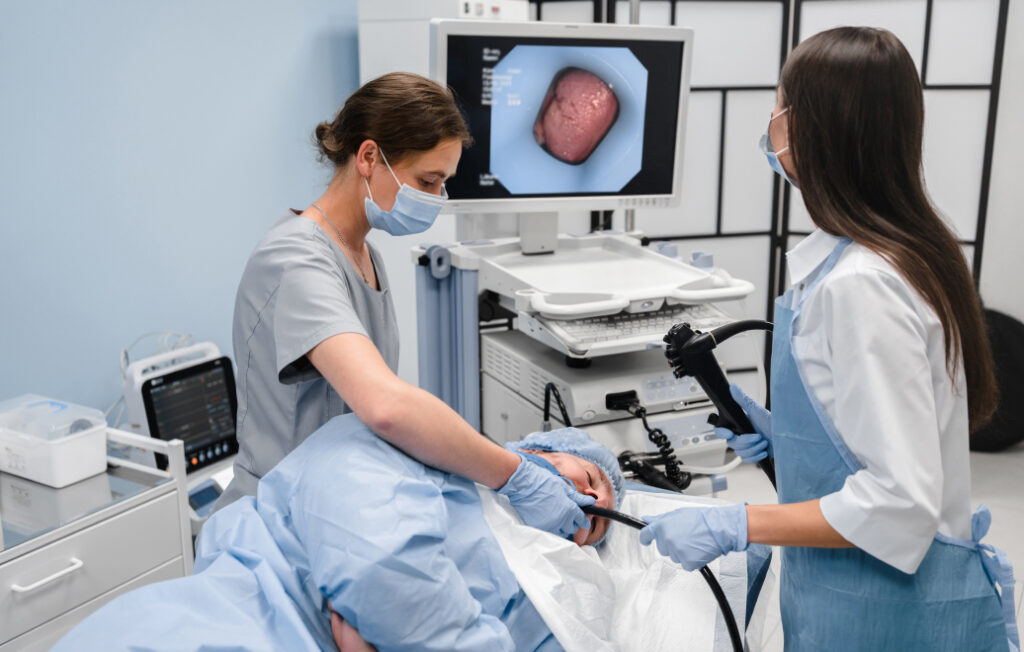
What is Gastroscopy?
A gastroscopy, also known as an upper endoscopy, is a medical procedure used to examine the upper part of the gastrointestinal (GI) tract, which includes the oesophagus, stomach, and the beginning of the small intestine (duodenum). Here is some detailed information for patients:
Purpose of Gastroscopy
- Diagnosis: To investigate symptoms such as abdominal pain, nausea, vomiting, swallowing difficulties, and unexplained weight loss.
- Treatment: To treat conditions such as bleeding, polyps, strictures, or foreign objects in the upper GI tract.
- Biopsy: To take tissue samples for further analysis if there are suspicious areas.
Preparation
- Fasting: Patients are usually required to fast for 6 hours before the procedure to ensure the stomach is empty.
- Medications: Certain medications may need to be stopped or adjusted. Patients should inform their doctor about all medications they are taking.
- Medical History: Inform the doctor of any medical conditions, especially heart or lung diseases, allergies, or previous reactions to anaesthesia.
Procedure
Sedation
Patients are typically given a sedative to help them relax. Local anaesthetic may be sprayed on the throat.
Insertion
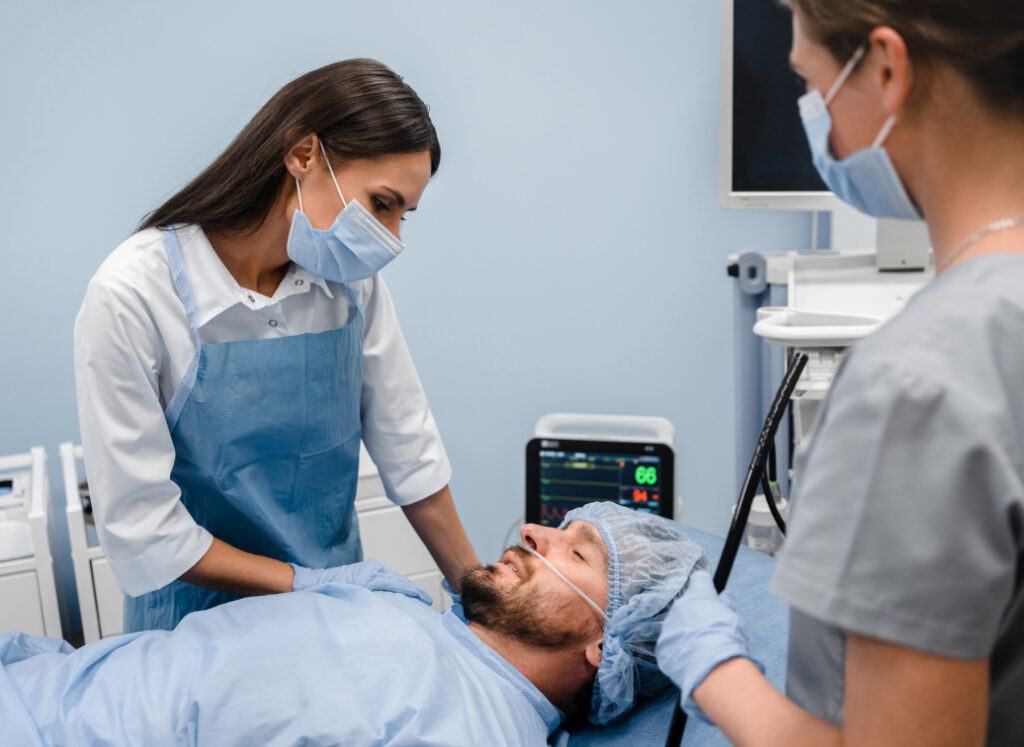
A thin, flexible tube called an endoscope is gently inserted through the mouth and down the oesophagus. The endoscope has a light and a camera, which transmits images to a monitor.
Examination
The doctor examines the lining of the oesophagus, stomach, and duodenum for abnormalities.
Biopsy/Treatment
If necessary, small instruments can be passed through the endoscope to take biopsies or treat conditions (e.g., remove polyps, stop bleeding).
After the Procedure
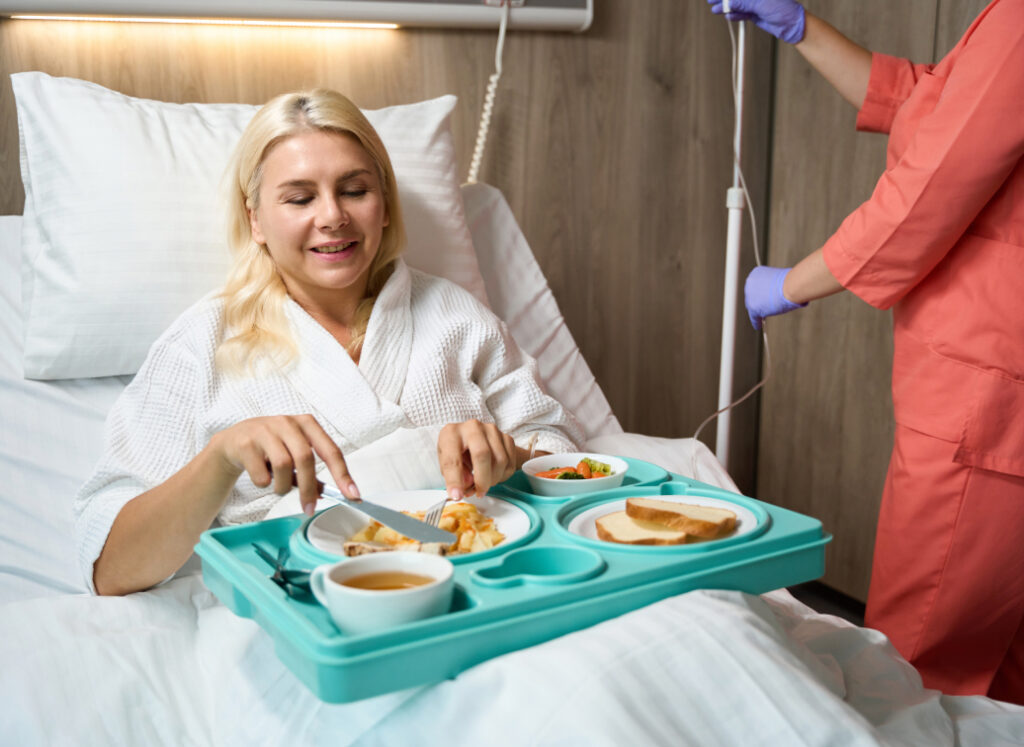
- Recovery: Patients are monitored until the effects of the sedation wear off. This usually takes about an hour.
- Discomfort: Patients may experience mild throat discomfort, bloating, or cramping, which should resolve within a few hours.
- Diet: Normal eating can usually resume after the numbness from the anaesthetic wears off.
- Results: The doctor will discuss the findings, but biopsy results may take a few days.
Risks and Complications
Gastroscopy is generally safe, but as with any medical procedure, there are potential risks:
- Reactions to Sedation: Allergic reactions or breathing difficulties.
- Bleeding: Particularly if a biopsy is taken or a treatment is performed.
- Infection: Rare, but possible.
- Perforation: A small risk of a tear in the lining of the oesophagus, stomach, or duodenum.

Trusted for care
Dr Wang and his team are respected and trusted for the care provided to their patients
Colonoscopy
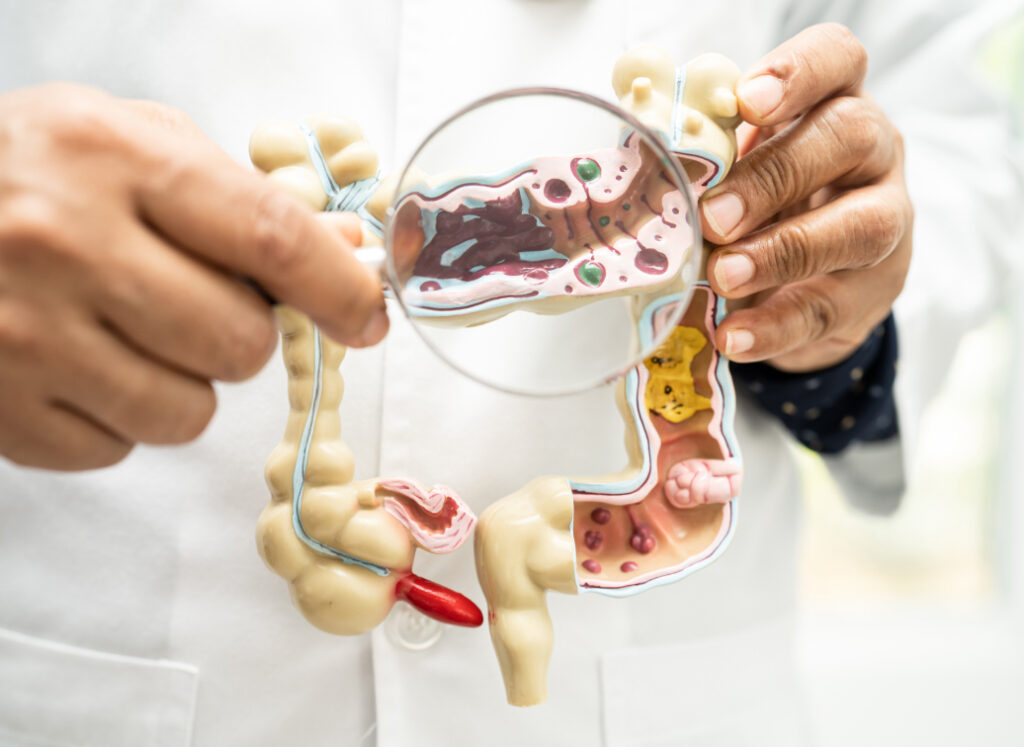
What is Colonoscopy?
A colonoscopy is a medical procedure used to examine the interior lining of the large intestine (colon and rectum) for abnormalities.
It is a common and effective method for detecting and treating various conditions within the colon.
Purpose of Gastroscopy
- Screening: To screen for colorectal cancer, especially in individuals aged 50 and older or those with a family history of the disease.
- Diagnosis: To investigate symptoms such as rectal bleeding, chronic diarrhea, unexplained weight loss, abdominal pain, and changes in bowel habits.
- Treatment: To remove polyps, take biopsies, or treat other conditions detected during the procedure.
Preparation
- Dietary Restrictions: Patients are typically instructed to follow a clear liquid diet for 24-48 hours before the procedure. Avoiding red or purple liquids is usually advised.
- Bowel Preparation: Patients must take a laxative preparation the day before the procedure to cleanse the colon. This is crucial for a successful and accurate examination.
- Medications: Some medications, particularly blood thinners, may need to be adjusted. Patients should inform their doctor about all medications they are taking.
- Medical History: Inform the doctor of any medical conditions, especially heart or lung diseases, allergies, or previous reactions to anaesthesia.
Procedure
Sedation
Patients are given a sedative to help them relax and minimize discomfort.
Insertion
A long, flexible tube called a colonoscope is gently inserted through the rectum and advanced through the colon. The colonoscope has a light and a camera, which transmits images to a monitor.
Examination
The doctor examines the lining of the colon for abnormalities such as polyps, tumours, inflammation, or ulcers.
Biopsy/Treatment
If necessary, small instruments can be passed through the colonoscope to take biopsies or remove polyps.
After the Procedure
- Recovery: Patients are monitored until the effects of the sedation wear off, typically about an hour.
- Discomfort: Mild cramping or bloating is common and usually resolves within a few hours.
- Diet: Normal eating can usually resume after the procedure, though the doctor may provide specific dietary instructions.
- Results: The doctor will discuss the findings immediately, but biopsy results may take a few days.
Risks and Complications
Colonoscopy is generally safe, but potential risks include:
- Reactions to Sedation: Allergic reactions or breathing difficulties.
- Bleeding: Especially if a biopsy is taken or a polyp is removed.
- Perforation: A small risk of a tear in the colon wall.
- Infection: Rare, but possible.